Guides
When not to use Jev
If the user needs a paragraph, you are in the wrong building. Use an LLM to write. Use Jev to judge. This when not to use Jev list is the product boundary.
TypeSafe’s own docs are blunt: System One models do not write replies, produce code, or generate explanations of their reasoning. This when not to use Jev guide repeats that boundary in the language of tickets, agents, and RAG, because the failure mode is always the same — someone pastes a writer prompt into a Jev question and wonders why there is no email.
Jev Patterns will not hide the gap. When not to use Jev is not a slight. It is how you keep System One on the request path and language models on the composition path. Read what is Jev if you still need the positive case.
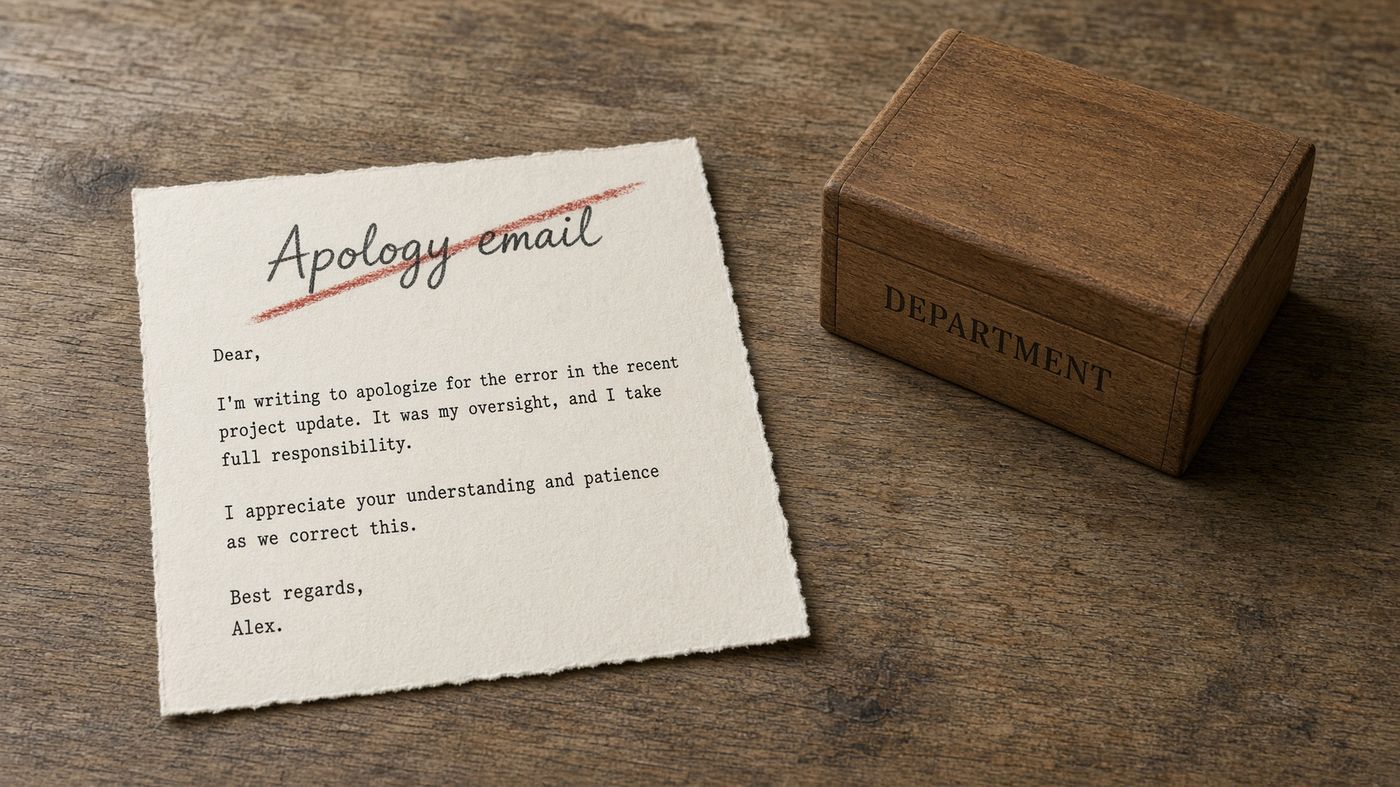
No emails
Jev will not draft a reply, an apology, or a status update. It can decide whether the ticket is billing, whether it is urgent, whether a human should take over. The sentence that goes back to the customer is someone else’s job — a template, a writer model, or a person. When not to use Jev is “write the customer a kind note.” Use support ticket routing and escalate to human instead, then fill the template.
No code generation
It will not write the patch, the SQL, or the regex. An agent pattern here picks the next tool or whether to stop. The tool still has to run in your runtime. If you need a function body, call a coder model after Jev has chosen “write_file.” When not to use Jev is “implement the feature.” See agent tool selection and Jev vs function calling.
No summaries
There is no “tldr this thread” primitive. You can Score a chunk for relevance, Choice-judge a claim against a passage, Noul whether the draft is grounded. Compression of language is generation. Skip Jev. When not to use Jev includes meeting notes, “explain this log,” and executive briefs. Use RAG chunk relevance and the LLM output guardrail around a writer, not instead of one.
No open-ended chat
A support widget that “just talks” is an LLM product. Putting Jev behind a chat bubble does not make it a chatbot, and this site will not pretend otherwise. Use Jev beside the chat: route, gate, escalate. When not to use Jev is the widget itself. Category contrast: Jev vs ChatGPT.
No vision yet
Jev currently accepts text, JSON objects, and arrays of text. Screenshots of an error, PDFs as images, video frames — not yet. OCR first if you must, then send the text as state. When not to use Jev includes “look at this PNG.” The content moderation screen is text-only for the same reason.
A quick when not to use Jev checklist
- The user-facing artifact is a paragraph → writer model.
- You need a file path, SQL, or regex → writer or templates.
- You need a title-case summary of a thread → writer.
- The input is pixels → vision or OCR, then maybe Jev on text.
- The input is a conversation that must stay a conversation → chat product, with Jev beside it if you route.
- The output must be an open string (name, email subject, URL) → not Choice/Score/Noul.
If every box is unchecked and you still have a switch in code, you are in the catalog. When not to use Jev is the filter; Jev Patterns is the remainder. Teams get this backwards when a demo shows a pretty paragraph and they assume System One wrote it. It did not. Someone wrapped a writer. Keep the wrap honest.
Writer models are for language. System One is for decisions the compiler can see. If you catch yourself prompting Jev with “explain why,” stop. Ask a Noul or a Choice, then explain in your own UI. When not to use Jev is any time the artifact you need is a string a person will read. Why JSON mode is still token sampling: Jev vs JSON mode. Copy a schema that stays inside the boundary from the catalog. Jev Patterns is not affiliated with TypeSafe AI.
When not to use Jev, and what to use instead
Drafting: any chat model you already pay for, plus templates. Patch writing: a coder model after agent tool selection returns write_file. Summaries: a writer, optionally gated by the LLM output guardrail and RAG chunk relevance. Images: a vision model or OCR. Open strings: JSON schema on a generator. The when not to use Jev list is not “do nothing.” It is “do the language part with a language model.”
If a stakeholder insists on one model for both jobs, show them Jev vs ChatGPT and the latency/price vendor figures on What is Jev. Combining jobs in one prompt is how you get a confident paragraph that assigned the ticket to a department that does not exist. When not to use Jev is cheaper than that outage.
When not to use Jev — FAQ
- When not to use Jev for customer email?
- Always not. When not to use Jev includes every job that needs a paragraph. Jev can route the ticket. A template or writer model writes the reply.
- When not to use Jev for code?
- Jev will not write a patch. Agent patterns pick the next tool or whether to stop. A coder model fills the file after the Choice.
- Can I put Jev behind a chat bubble?
- You can, but you should not market it as a chatbot. When not to use Jev is exactly “open-ended talk.” Use Jev beside the chat: route, gate, escalate.
- Does Jev support images?
- Not yet. When not to use Jev includes screenshots and PDFs as pixels. OCR first, then send text as state.
- When should I use Jev?
- When the next line of code is a switch over a closed set, a sortable rubric, or a boolean gate. See the Jev Patterns catalog.
Next
If Jev is the right job


Last reviewed 21 September 2026. Independent of TypeSafe AI.